
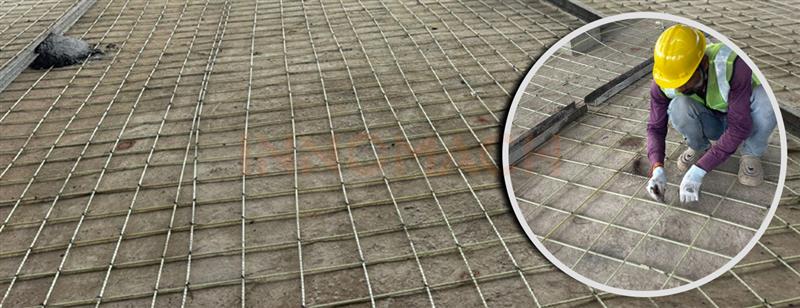
Why FRP Rebars and the Right Production line Are Transforming Infrastructure
In the world of civil engineering and construction, reinforcement bars — commonly known as rebars — play a vital role in strengthening concrete structures. Traditionally, these rebars have been made of steel. However, the rising concerns of corrosion, weight, and long-term sustainability have opened the door to a revolutionary alternative: FRP Rebars (Fiber-Reinforced Polymer Rebars).
But switching to FRP is not just about material — it's about manufacturing innovation, and that’s where the importance of advanced FRP Rebar Machinery comes in.
What Are Rebars and Why Are They Important?
Rebars are used to provide tensile strength to concrete, which by itself is strong in compression but weak in tension. These bars are embedded in the concrete structure to absorb stresses, prevent cracks, and extend structural lifespan.
Steel has historically been the go-to choice for rebars. However, steel is prone to rust, especially in moist, coastal, or chemical-heavy environments. As steel corrodes, the strength and durability of the structure significantly deteriorate — increasing maintenance and repair costs.
Why FRP Rebars are the Future?
FRP (Fiber-Reinforced Polymer) rebars are non-metallic, corrosion-resistant, and lightweight. Made from high-strength fibers such as glass or basalt and embedded in a polymer matrix, FRP rebars are increasingly being recognized for their advantages over steel.
FRP Rebars VS Steel Rebars: Why the Shift?
| Features | Steel Rebars | FRP Rebars |
|---|---|---|
| Corrosion Resistance | Prone to corrosion | 100% corrosion free rebar |
| Weight | Heavy | Lightweight rebars (up to 75% lighter) |
| Electrical Conductivity | Conductive | Non-conductive |
| Installation & Handling | Labor-intensive | Easy to handle and install |
| Lifespan | 20–30 years avg. | 75+ years potential |
These characteristics make FRP rebars especially useful in sectors like:
 Marine and Coastal Infrastructure
- Bridges and Highways
- Tunnels and Underground Structures
- Hospitals and Research Facilities
- Water Treatment Plants
- Industrial Facilities
- Airport Runways and Radar Stations
- Historic Building Renovations
- Dams and Reservoirs
- Parking Structures
- Railway Infrastructure
- Cold Storage Facilities & Freezers
The Role of the Right FRP Rebar Production Line
Transitioning to FRP rebar manufacturing isn’t just about choosing the right material—it’s also about choosing the right rebar manufacturing machinery.
Modern FRP Rebar Machines and Rebar Production Lines are engineered for:
- High-speed automated production
- Uniform resin impregnation and curing
- Precision winding and cutting
- Customizable rebar diameters and lengths
Companies investing in a turnkey FRP plant benefit from reduced setup time, reliable training, and ready-to-produce systems
At Artico, we offer complete FRP Rebar Plant setups — powered by Innomach. Not just machines, but full-scale production systems that include:
Core Components:
- Resin Impregnation Unit – Ensures proper bonding and coating of fibers.
- Ribbing & Forming Die System – Creates surface deformations for bonding with concrete.
- Puller & Auto Cutting Mechanism – Maintains tension and precision in length.
- Custom Output Sizes – Machines can be tailored for specific industry demands.
Whether you're a material supplier, EPC contractor, or exporter, investing in Innomach's FRP Rebar Machinery gives you the ability to:
- Start production quickly with plug-and-play systems
- Get on-site support for layout, training, and commissioning
- Customize machines to your capacity and output needs
Final Thoughts: Steel Was Smart. FRP Is Smarter.
- As the construction world shifts from traditional materials to innovative, high-performance composites, FRP rebars are setting new benchmarks in sustainability and engineering.
- Choosing the right FRP Rebar Machine and partnering with the right Rebar Manufacturing Machinery provider isn't just about production—it's about staying ahead in a rapidly transforming industry.
- From steel to smart – the future is fiber.

